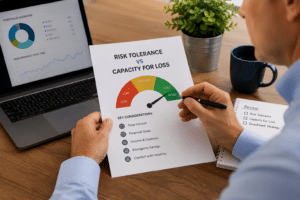

Retirement is often envisioned as a time of freedom and relaxation after decades of work. However, for an increasing number of people who rent, it can bring ongoing financial pressures, particularly with housing costs continuing into later life.
The full new State Pension currently provides £241.30 per week, or around £12,548 per year (as of the 2026/27 tax year). For my own mother, who owns her modest home and has relatively low outgoings, it has been sufficient to cover her needs in later life. She spends little and enjoys the security of her property. Yet for many others, especially renters or those who enjoyed a higher standard of living during their working years, it falls well short. Those who were higher-rate taxpayers often find the state provision inadequate without additional income streams.
Is the pension system only set up for retired homeowners?
Not at all. It is designed for those who save enough to provide an income in retirement that meets their needs, irrespective of home ownership. If renters use the money they would otherwise have spent on a mortgage and direct it into pension savings every year, they may well have sufficient funds to enjoy a comfortable retirement. Home ownership certainly brings advantages by eliminating mortgage or rental payments, but it is not a prerequisite for a secure later life – good planning is.
This is where a private pension becomes incredibly important. Whether through a workplace scheme, SIPP or personal pension, these vehicles allow you to build a tailored income that supplements the state pension and offers flexibility through options such as drawdown. They are essential for bridging the gap and ensuring you can cover ongoing costs without compromise.
For those looking to retire earlier or add greater flexibility, Investment ISAs play a valuable role in long-term planning. The normal minimum pension age is set to rise to 57 from April 2028, and over time, governments aim to align private pension access more closely with the State Pension age (currently rising towards 67 between 2026 and 2028, with further increases to 68 planned later). If you want to retire earlier than these thresholds allow, ISAs offer tax-free investment growth and tax-free income in retirement, providing more flexibility than pensions alone. Combining pensions with ISAs can create a more robust, adaptable strategy.
So, how much money is actually needed each year to survive in retirement?
The Pension and Lifetime Savings Association’s Retirement Living Standards offer an excellent, independent guide. For a one-person household who owns their home outright, a minimum standard of living requires around £13,400 annually, rising to £31,700 for moderate comfort and £43,900 for a comfortable lifestyle. These figures assume no rent or mortgage. For renters, however, private rental costs – often over £1,360 per month or £16,000+ annually – significantly increase the total required. Many will need £25,000–£40,000 or more each year, depending on location and lifestyle.
At Lazenby’s Financial Services, most of our clients do own their own homes, with very few renting. Those who do rent tend to do so out of choice and are well provisioned for retirement. One client, for example, rents a beautiful cottage perched on top of a hill with amazing views. They have lived as tenants there for years and have no intention of leaving this special beauty spot. By ensuring a good, reliable income in retirement through careful planning, they now enjoy trips to see family in New Zealand while maintaining their peaceful lifestyle. A good sign is always if they have an Independent Financial Adviser. Research from the International Longevity Centre (ILC-UK) shows that those who take advice accumulate on average nearly £48,000 more in pensions and financial assets over a decade – making them far more likely to retire in comfort compared to those without one.
We are seeing more retirement-age people renting or worrying about their housing situation amid rising property prices and rents. The key message is this: whether you own or rent, early and personalised financial planning is essential. By reviewing your pensions, investments (including ISAs), and overall strategy with a professional, you can remove the worry and start enjoying the retirement you deserve.